
 Jamie Lopez
Understanding the Core of a Meditation Lifestyle
Embarking on a meditation lifestyle isn’t about escaping reality; it’s about engaging with it more fully, with greater clarity and a sense of inner peace. It’s about weaving moments of stillness and mindful awareness into the fabric of your everyday existence, transforming routine activities into opportunities for growth and self-discovery. This approach fosters a profound sense of well-being that extends far beyond the meditation cushion.
The fundamental principle of integrating meditation into daily life lies in its consistent practice, however brief. It’s not about achieving a perfect, empty mind, but rather about cultivating an awareness of your thoughts, feelings, and sensations without judgment. This gentle observation allows you to respond to life’s challenges with more grace and less reactivity, fostering resilience and emotional balance. The benefits are multifaceted, touching upon mental, emotional, and even physical health. Regular meditation can lead to reduced stress and anxiety, improved focus and concentration, enhanced self-awareness, and a greater sense of overall happiness and contentment. It’s a journey of uncovering the calm that already resides within you, simply waiting to be accessed.
Many newcomers harbor misconceptions about meditation, often believing it requires hours of silent sitting or the ability to completely stop thinking. These myths can be daunting, but they are easily overcome. The truth is, meditation can be as short as a few minutes, and the goal isn’t to silence thoughts, but to observe them without getting carried away. Think of your thoughts like clouds passing in the sky; you can watch them drift by without needing to chase after them. Different styles cater to various preferences, making it accessible for everyone. For beginners, styles like mindfulness meditation, focusing on the breath, or loving-kindness meditation, cultivating compassion, are excellent starting points. Body scan meditations, which bring awareness to different parts of the body, are also highly beneficial for grounding and relaxation.
The Foundation of a Mindful Existence
Integrating meditation into your life is about cultivating a deeper connection with yourself and the present moment. It’s a practice that nurtures inner peace and resilience, allowing you to navigate life’s ups and downs with greater equanimity. The core principle is consistency, even in small doses, fostering a sense of calm and clarity that permeates all aspects of your day.
Unpacking the Benefits of Regular Practice
A consistent meditation practice offers a wealth of advantages for your overall well-being. It acts as a powerful tool for stress reduction, helping to quiet the incessant chatter of the mind and promote relaxation. Beyond stress relief, it sharpens focus and enhances concentration, making you more present and effective in your tasks. This heightened self-awareness leads to a better understanding of your emotions and reactions, paving the way for improved emotional regulation and a more balanced inner life. Ultimately, regular meditation cultivates a deeper sense of contentment and a more positive outlook on life.
Dispelling Common Meditation Myths
Several common misconceptions can deter beginners from starting their meditation journey. One prevalent myth is that meditation requires an hour of silent, undisturbed sitting. In reality, even 5-10 minutes of focused practice can yield significant benefits. Another misconception is the belief that one must achieve a completely thought-free mind. Meditation is not about stopping thoughts, but about observing them without attachment, like watching clouds pass by. The practice is about building awareness, not achieving emptiness.
Exploring Beginner-Friendly Meditation Styles
For those new to meditation, several styles offer an accessible entry point. Mindfulness meditation, which involves focusing on the breath or bodily sensations, is a popular choice. It anchors you in the present moment, helping to calm a racing mind. Loving-kindness meditation (Metta meditation) cultivates feelings of warmth and compassion towards oneself and others, fostering a more positive emotional state. Body scan meditation guides you through bringing awareness to different parts of your body, promoting relaxation and a deeper connection with your physical self. These styles are designed to be gentle and adaptable, making them ideal for newcomers.
Identifying Popular Meditation Trends for Beginners
The world of meditation is constantly evolving, with new trends emerging that make the practice more accessible and appealing to beginners. These trends often leverage technology, focus on specific benefits, or adapt traditional techniques to modern lifestyles, offering diverse pathways to stillness and self-discovery. Understanding these popular trends can help newcomers find an approach that resonates with them, making the initial steps into a meditation lifestyle feel less intimidating and more inviting.
The appeal of these emerging trends lies in their inherent accessibility and ease of adoption. They often come with user-friendly interfaces, clear guidance, and a focus on short, impactful sessions that can fit into even the busiest schedules. This reduces the perceived barrier to entry, allowing more people to experience the benefits of meditation without feeling overwhelmed. Each trend offers a unique user experience, catering to different learning styles and preferences, from auditory learners who benefit from guided sessions to visual learners who appreciate calming imagery.
Top 5 Emerging Meditation Trends for Newcomers
The landscape of meditation for beginners is vibrant and continuously evolving. Here are five popular trends that are making meditation more approachable and engaging:
- App-Guided Meditations: Mobile applications have revolutionized meditation by offering a vast library of guided sessions for various needs, from stress relief to sleep improvement. These apps provide structured programs, timers, and progress tracking, making it easy to start and maintain a practice.
- Mindfulness in Daily Activities: This trend encourages bringing mindful awareness to everyday tasks like eating, walking, or washing dishes. It shifts the focus from dedicated sitting sessions to integrating mindfulness into the existing routine, making it highly practical and accessible.
- Short-Form or “Micro” Meditations: Recognizing busy schedules, this trend focuses on very short meditation sessions, often lasting 1-5 minutes. These brief moments of stillness can be practiced anytime, anywhere, providing quick resets and stress relief throughout the day.
- Themed Meditation Series: Many platforms now offer series of meditations focused on specific themes, such as overcoming anxiety, boosting confidence, or improving relationships. This targeted approach helps beginners feel a direct connection between their practice and their personal goals.
- Sound Bath and Vibrational Meditations: Utilizing the power of sound, these meditations involve listening to specific frequencies, singing bowls, or gongs. The vibrations are believed to promote deep relaxation and a meditative state, offering a sensory-rich experience that can be very grounding.
Accessibility and Ease of Adoption
These popular trends are characterized by their remarkable accessibility and ease of integration into daily life. App-guided meditations, for instance, require nothing more than a smartphone and a few minutes of quiet time. Mindfulness in daily activities seamlessly blends into existing routines, requiring no extra time commitment. Short-form meditations are designed for maximum impact in minimal time, making them ideal for individuals with extremely packed schedules. Themed series provide clear direction and purpose, while sound bath meditations offer a passive yet profound way to enter a relaxed state.
Comparing User Experiences
The user experience for each trend varies, offering something for diverse preferences. App-guided meditations provide a structured, interactive journey with clear instructions and often a sense of community. Mindfulness in daily activities fosters a sense of presence and appreciation for the ordinary, transforming mundane tasks into mindful moments. Short-form meditations offer quick, potent doses of calm, acting as mini-resets throughout the day. Themed series create a sense of progression and accomplishment as users work through specific goals. Sound bath meditations offer a deeply immersive, sensory experience, often leading to profound relaxation.
Techniques and Approaches in Each Trend
Each trend employs specific techniques to guide users. App-guided meditations typically use verbal cues and calming music or nature sounds. Mindfulness in daily activities involves intentionally focusing on sensory input and the present moment during an activity. Short-form meditations often focus on a single anchor, like the breath, for a brief period. Themed series might combine various techniques tailored to the specific topic, while sound bath meditations rely on the therapeutic properties of sound frequencies and vibrations.
Practical Steps to Begin a Meditation Lifestyle: Meditation Lifestyle Trends For Beginners
Transitioning to a meditation lifestyle is a journey, not a destination, and it begins with simple, actionable steps. The key is to create a sustainable routine that feels natural and rewarding, rather than a chore. By establishing a consistent practice, even a short one, you lay the foundation for deeper well-being and a more mindful existence. This involves understanding how to integrate meditation into your existing life and addressing the common hurdles that beginners often encounter.
Establishing a beginner’s meditation routine is about building momentum through small, consistent efforts. It’s crucial to start with a manageable time commitment that you can realistically maintain. The goal is not to achieve perfection but to cultivate regularity. As you become more comfortable, you can gradually increase the duration or frequency of your practice. Overcoming initial challenges like restlessness or distraction is a natural part of the process, and there are effective strategies to navigate these common experiences.
Your Step-by-Step Guide to a Meditation Routine
To help you begin, here’s a structured approach to establishing your meditation practice:
- Start Small: Begin with just 5 minutes of meditation each day. This short duration makes it feel less daunting and more achievable.
- Choose a Consistent Time: Select a time of day when you are least likely to be interrupted, such as first thing in the morning or before bed. Consistency is key to building a habit.
- Find a Quiet Space: Designate a comfortable, quiet spot in your home where you can sit or lie down without distractions.
- Get Comfortable: Sit in a relaxed but upright posture. You can sit on a cushion on the floor, on a chair with your feet flat on the ground, or even lie down if that’s more comfortable.
- Focus on Your Breath: Gently close your eyes or soften your gaze. Bring your attention to the sensation of your breath as it enters and leaves your body. Don’t try to control it; just observe.
- Acknowledge Distractions: When your mind wanders (which it will!), gently acknowledge the thought without judgment and guide your attention back to your breath.
- Be Patient and Kind: Some days will feel easier than others. Practice self-compassion and celebrate the effort you’re making.
Recommended Daily Time Commitments
For effective practice, especially when starting, a daily commitment of 5 to 10 minutes is highly recommended. This duration is long enough to experience some benefits of calming the mind and fostering present-moment awareness, yet short enough to be easily integrated into most schedules. As you grow more comfortable and find the practice beneficial, you can gradually increase this to 15-20 minutes or longer, but the initial focus should be on establishing consistency with a manageable timeframe.
Strategies for Overcoming Initial Challenges
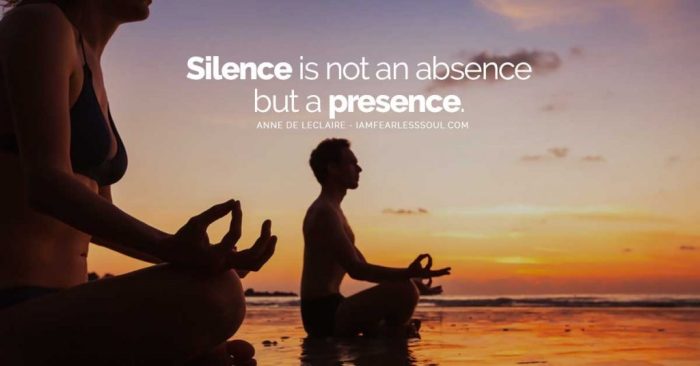
Restlessness and distraction are common companions for new meditators. To combat restlessness, try focusing intently on the physical sensations of your breath or gently moving your body slightly if discomfort arises. For distractions, the practice is not to eliminate thoughts but to notice them and gently return your focus to your anchor, usually the breath. Remind yourself that this wandering mind is normal; the “work” of meditation is in the gentle redirection. If your mind is particularly busy, you might find guided meditations helpful, as they provide external direction.
Sample Weekly Schedule for a Busy Lifestyle, Meditation Lifestyle Trends for Beginners
Here’s a sample schedule to illustrate how meditation can fit into a busy week:
| Day | Morning (5-10 min) | Midday (Optional 2-5 min) | Evening (5-10 min) |
|---|---|---|---|
| Monday | Breath awareness before breakfast | Mindful walking during lunch break | Body scan before sleep |
| Tuesday | Guided meditation app (5 min) | Deep breathing while commuting | Gratitude meditation before sleep |
| Wednesday | Breath awareness before breakfast | Mindful listening to music | Body scan before sleep |
| Thursday | Guided meditation app (5 min) | Mindful stretching | Loving-kindness meditation before sleep |
| Friday | Breath awareness before breakfast | Mindful eating during lunch | Body scan before sleep |
| Saturday | Longer guided meditation (10-15 min) | N/A | Relaxing breathwork before sleep |
| Sunday | Silent meditation (10 min) | N/A | Reflective meditation on the week before sleep |
Tools and Resources for New Meditators
Embarking on a meditation lifestyle is significantly enhanced by the wealth of tools and resources available today. These aids are designed to demystify the practice, provide gentle guidance, and foster a supportive environment for beginners. From intuitive mobile applications to vibrant online communities, there are numerous avenues to explore that can make your meditation journey smoother, more engaging, and ultimately, more rewarding.
Digital tools and applications have become indispensable companions for new meditators. They offer structured guidance, curated content, and convenient tracking features, all accessible from the palm of your hand. These resources can bridge the gap between wanting to meditate and actually doing it, providing the necessary support and motivation to establish a consistent practice. The variety of options ensures that you can find tools that align with your personal preferences and learning style.
Essential Digital Tools and Applications
For those beginning their meditation journey, a few types of digital tools stand out for their effectiveness and accessibility:
- Meditation Apps: These are perhaps the most popular and comprehensive tools for beginners. They offer guided meditations, courses, timers, and often progress tracking features. Examples include Calm, Headspace, Insight Timer, and Waking Up.
- Mindfulness Apps: Similar to meditation apps, these often focus more broadly on mindfulness techniques that can be applied throughout the day, not just during formal sitting sessions.
- Sleep Apps: Many sleep-focused apps include guided meditations, sleep stories, and soothing sounds designed to help users relax and fall asleep, which is a common goal for many new meditators.
- Wearable Technology: Some smartwatches and fitness trackers now offer basic meditation timers or breathing exercises, integrating mindfulness into your daily activity monitoring.
Functionalities and Advantages of Guided Meditation Apps
Guided meditation apps are a cornerstone for beginners due to their numerous functionalities and advantages. They typically feature a diverse library of sessions led by experienced instructors, covering a wide range of topics such as stress reduction, focus, sleep, and anxiety. The verbal guidance helps anchor the user’s attention, making it easier to stay present and less prone to getting lost in distracting thoughts. Many apps offer structured courses that build upon each other, providing a progressive learning path. The inclusion of customizable timers, ambient sounds, and progress tracking adds further value, allowing users to tailor their experience and monitor their journey, fostering a sense of accomplishment and encouraging continued practice.
Online Communities and Forums for Support
Beyond individual tools, online communities and forums offer invaluable support and a sense of shared experience for new meditators. Platforms like Reddit (e.g., r/meditation), dedicated meditation forums on various websites, and even the community features within meditation apps provide spaces where individuals can ask questions, share their challenges and triumphs, and connect with others on a similar path. This peer support can be incredibly motivating, offering encouragement, practical advice, and a reminder that you are not alone in your journey. Reading about others’ experiences can normalize common difficulties and inspire continued dedication.
Selecting Beginner-Friendly Meditation Cushions or Seating
While not strictly digital, comfortable seating is crucial for a positive meditation experience. For beginners, the emphasis should be on support and comfort that allows for an upright yet relaxed posture.
- Meditation Cushions (Zafus): These are typically round or crescent-shaped and filled with buckwheat hulls or kapok, providing firm yet yielding support. They help elevate the hips, allowing the knees to rest comfortably on the floor, which is ideal for cross-legged or kneeling positions.
- Meditation Mats (Zabutons): Often used in conjunction with a zafu, a zabuton is a flat, rectangular mat that provides cushioning for the knees and ankles, adding an extra layer of comfort.
- Chairs: If sitting on the floor is not feasible, a chair can be an excellent alternative. Ensure your feet are flat on the floor and your back is supported, but avoid leaning back too heavily, as an upright posture aids alertness.
The key is to find a seating arrangement that allows you to maintain a stable, comfortable posture for the duration of your meditation without causing strain or discomfort.
Cultivating a Sustainable Meditation Habit
Building a sustainable meditation habit is about nurturing a deep and lasting connection with your inner self. It’s a process that requires patience, self-compassion, and a willingness to adapt as you grow. The aim is not to achieve an end state, but to cultivate a continuous practice that enriches your life over the long term, becoming an integral part of who you are and how you navigate the world.
The journey of meditation is profoundly personal, and its sustainability hinges on fostering a commitment that is both resilient and adaptable. This involves understanding that progress isn’t always linear and that challenges are opportunities for deeper learning. By embracing patience and self-compassion, you create a supportive internal environment that encourages continued practice, even when faced with inevitable fluctuations in motivation or experience. Recognizing and celebrating your growth, however subtle, further solidifies your commitment.
Techniques for Building Long-Term Commitment
Establishing a lasting meditation habit involves more than just initial enthusiasm; it requires intentional strategies to foster ongoing engagement:
- Integrate into Daily Life: Connect your meditation practice to an existing daily habit, such as brushing your teeth or having your morning coffee. This “habit stacking” makes it easier to remember and perform.
- Set Realistic Goals: Start with short, manageable sessions (5-10 minutes) and gradually increase the duration as you feel comfortable. Avoid overwhelming yourself with ambitious targets early on.
- Vary Your Practice: Explore different meditation styles, guided meditations, or even mindful activities to keep your practice fresh and engaging.
- Find a Community: Connect with other meditators, either online or in person. Sharing experiences and support can provide motivation and accountability.
- Schedule It: Treat your meditation time like any other important appointment. Block it out in your calendar to give it the priority it deserves.
- Reflect Regularly: Take a moment after each session to notice how you feel. This brief reflection can reinforce the positive impact of your practice.
The Importance of Patience and Self-Compassion
Patience and self-compassion are the cornerstones of a sustainable meditation practice. It’s vital to understand that meditation is a skill that develops over time, and there will be days when your mind feels more restless or distracted than others. Instead of becoming frustrated, approach these moments with kindness. Acknowledge that this is a natural part of the process. Treat yourself as you would a dear friend learning something new – with understanding, encouragement, and without harsh judgment. This gentle approach fosters a safe space for growth and prevents discouragement from derailing your progress.
Methods for Tracking Progress and Recognizing Growth
Tracking progress in meditation isn’t about achieving a perfect state, but about observing subtle shifts and recognizing personal growth. This can be done in several ways:
- Journaling: After each session, jot down a few notes about your experience – how you felt, any challenges you faced, or any insights you gained. Over time, reviewing these entries can reveal patterns and improvements.
- Noticing Daily Changes: Pay attention to how you respond to everyday situations. Are you feeling less reactive? More patient? More focused? These are all indicators of progress.
- Using App Trackers: Many meditation apps offer features to track your meditation streaks, total minutes meditated, and sessions completed. While not a measure of depth, consistency is a key component of habit formation.
- Mindful Observation: Simply observe your inner landscape over weeks and months. You might notice a greater sense of calm, increased self-awareness, or a more positive outlook on life.
Celebrating these small victories, no matter how minor they may seem, is crucial for maintaining motivation and reinforcing the value of your practice.
A Framework for Adapting Meditation Practices
As your experience with meditation grows, your practice can and should evolve. A flexible framework allows you to adapt:
- Increase Duration Gradually: Once you are comfortable with your current meditation length, consider adding a few minutes at a time.
- Explore New Techniques: As you become more familiar with basic mindfulness, you might explore more advanced techniques like Vipassanā, transcendental meditation, or specific breathing exercises.
- Deepen Your Focus: You might choose to focus on specific intentions or themes within your meditation, such as cultivating gratitude or working through a particular challenge.
- Integrate More Mindful Moments: Expand your mindfulness practice beyond formal sitting sessions to incorporate more mindful awareness into everyday activities.
- Re-evaluate and Adjust: Periodically, check in with yourself. Does your current practice still serve you? Are there adjustments you need to make based on your current life circumstances or goals? This continuous re-evaluation ensures your practice remains relevant and beneficial.
Meditation Lifestyle Trends for Beginners – Embarking on a meditation lifestyle for beginners can unlock inner peace. Discover how embracing Minimalist Lifestyle Trends That Improve Mental Clarity can further support this journey by decluttering your space and mind. These aligned practices pave the way for a more focused and serene meditation experience, making your beginner’s path wonderfully accessible.
Embracing meditation lifestyle trends for beginners unlocks a pathway to inner peace and clarity. Integrating these simple practices into your routine beautifully supports your daily wellness journey, making it easier to navigate life’s challenges. Discover how beginner-friendly meditation can transform your everyday.