
 Jamie Lopez
The Evolving Digital Landscape and its Impact on Daily Routines
In 2025, our lives will be even more deeply intertwined with the digital realm, subtly yet significantly reshaping how we navigate our days. This isn’t just about having more apps; it’s about a fundamental shift in how we manage our time, connect with others, and even how we think. The constant hum of connectivity is becoming less of a novelty and more of an integrated part of our existence, influencing our habits and expectations in profound ways.
The digital integration we’re seeing is poised to revolutionize how individuals orchestrate their daily schedules. Imagine a world where your calendar isn’t just a list of appointments, but an intelligent assistant that proactively suggests optimal times for tasks based on your energy levels and external factors. This evolution moves beyond simple reminders to a more dynamic and responsive approach to time management.
Emerging Digital Tools and Platforms
The tools that will become indispensable in 2025 are those that blend seamlessly into our lives, enhancing rather than disrupting. Think of augmented reality overlays that provide real-time information as you move through your day, from navigating unfamiliar streets to identifying plants in your garden. Communication platforms will likely evolve to offer more immersive and context-aware interactions, perhaps allowing for shared virtual workspaces or more intuitive ways to collaborate remotely. Productivity will be boosted by AI-powered assistants that can not only schedule meetings but also draft initial responses to emails or summarize lengthy documents, freeing up mental bandwidth for more creative or strategic thinking. Leisure time will also be transformed, with personalized content algorithms becoming even more sophisticated, suggesting activities, entertainment, and learning opportunities tailored precisely to individual preferences and moods.
Psychological Effects of Constant Digital Connectivity
While the convenience of constant digital access is undeniable, its psychological impact warrants careful consideration. The blurring lines between our online and offline lives can lead to a sense of perpetual obligation, where the expectation to be always available might strain personal well-being. Social interactions, too, will undergo a transformation. We might see a greater emphasis on curated online personas, which can sometimes create a disconnect between our digital selves and our authentic experiences. However, this heightened awareness also pushes us to be more intentional about cultivating genuine connections, both online and off, fostering a greater appreciation for mindful digital engagement and the importance of digital detox.
Predicted Digital Habits of 2025 vs. Current Trends, Lifestyle Trends Shaping Everyday Living in 2025
Comparing the predicted digital habits of 2025 with current trends reveals a significant shift towards proactive and personalized digital experiences. Today, we often react to digital prompts; in 2025, we’re likely to see a more anticipatory use of technology. For instance, instead of searching for information when a need arises, our digital environments will proactively surface relevant data or solutions based on our predicted needs. Reliance on monolithic platforms might also diversify, with users opting for more specialized tools that integrate seamlessly, creating a more customized digital ecosystem. The passive consumption of content will likely give way to more active participation and co-creation, driven by user-friendly tools and platforms.
The Role of Artificial Intelligence in Personalizing Digital Experiences
Artificial intelligence will be the invisible architect behind much of our personalized digital experience in 2025. AI will move beyond basic recommendations to truly understanding our individual preferences, habits, and even emotional states. This will manifest in everything from dynamically adjusting the lighting and temperature in our smart homes based on our mood, to curating news feeds that align with our evolving interests and professional development goals. Furthermore, AI will increasingly automate routine tasks, such as managing household chores, optimizing energy consumption, and even handling basic financial transactions, allowing us to reclaim valuable time and focus on activities that bring us joy and fulfillment.
Health, Wellness, and the Pursuit of Holistic Living
In 2025, the conversation around health and wellness will expand significantly, moving beyond the traditional focus on physical fitness to embrace a more comprehensive, mind-body-spirit approach. This shift reflects a growing understanding that true well-being is a multifaceted state, influenced by our mental, emotional, and environmental surroundings as much as our physical condition. We’re witnessing a cultural embrace of practices that nurture the whole person, recognizing that vitality comes from a balanced and integrated lifestyle.
Prominent Health and Wellness Practices
The health and wellness landscape in 2025 will be characterized by practices that emphasize balance and resilience. Beyond the gym, expect to see a surge in interest in mindful movement forms like mindful yoga, Tai Chi, and Qigong, which integrate breathwork and meditation with physical postures. Sound healing, forest bathing (Shinrin-yoku), and nature immersion therapies will gain traction as powerful tools for stress reduction and mental rejuvenation. The concept of “biohacking” will become more mainstream, with individuals exploring personalized strategies, often guided by data, to optimize their physical and cognitive performance, focusing on sleep quality, nutrition, and stress management.
Prioritizing Mental Well-being and Stress Management
Mental well-being will no longer be an afterthought but a cornerstone of daily life. Individuals will actively integrate practices designed to manage stress and cultivate emotional resilience. This includes the widespread adoption of daily meditation and mindfulness exercises, journaling, and the use of digital tools that offer guided breathing techniques and mood tracking. There will be a greater emphasis on setting healthy boundaries, both in personal and professional spheres, to prevent burnout. Seeking support through therapy, coaching, or peer support groups will become more normalized and accessible, fostering a culture where mental health is openly discussed and prioritized.
Growing Interest in Preventative Health and Personalized Nutrition
The focus will shift decisively towards prevention rather than just treatment. People will become more proactive in understanding their unique health predispositions and taking steps to mitigate risks. This includes a growing interest in genetic testing for personalized health insights and tailored dietary recommendations. Personalized nutrition, moving beyond generic advice, will become the norm, with individuals leveraging wearable data and health assessments to fine-tune their food intake for optimal energy, immunity, and long-term health. This could involve subscription services offering customized meal plans or at-home testing kits that provide real-time feedback on nutrient absorption and gut health.
Integration of Wearable Technology and Health-Tracking Apps
Wearable technology and health-tracking apps will evolve from mere data collectors to integral components of proactive wellness strategies. In 2025, these devices will offer more sophisticated insights, moving beyond step counts to monitor sleep patterns with greater accuracy, track stress levels through heart rate variability, and even provide early warnings for potential health issues by analyzing subtle physiological changes. These tools will empower individuals with actionable data, enabling them to make informed decisions about their lifestyle, diet, and exercise routines, fostering a continuous feedback loop that supports their wellness journey.
Sample Daily Routine for Holistic Living
Here’s a glimpse into a sample daily routine that embraces these emerging holistic living principles:
- Morning (6:00 AM – 8:00 AM): Wake up naturally, hydrate with lemon water, followed by 15 minutes of mindful meditation or gentle stretching. Enjoy a nutrient-dense breakfast tailored to personal dietary needs, perhaps incorporating adaptogens for stress support.
- Mid-Morning (9:00 AM – 12:00 PM): Engage in focused work, punctuated by short movement breaks and mindful breathing exercises. Utilize AI-powered productivity tools to manage tasks efficiently.
- Lunch (12:00 PM – 1:00 PM): A mindful lunch, perhaps enjoyed outdoors or in a calming environment, focusing on whole, unprocessed foods. A short walk in nature or a brief journaling session can aid in mental reset.
- Afternoon (1:00 PM – 5:00 PM): Continue with work, incorporating scheduled “deep work” blocks. Use wearable technology to monitor stress levels and adjust activity as needed.
- Evening (5:00 PM – 8:00 PM): Transition from work to personal time. Engage in a physical activity of choice, such as a mindful yoga class or a brisk walk. Prepare a balanced dinner, focusing on fresh, seasonal ingredients.
- Late Evening (8:00 PM – 10:00 PM): Unwind with calming activities like reading, listening to calming music, or engaging in a hobby. Limit screen time, especially close to bedtime, to promote quality sleep.
- Bedtime (10:00 PM): Prepare for restful sleep, ensuring a dark, quiet, and cool sleep environment.
Sustainable Practices and Conscious Consumerism: Lifestyle Trends Shaping Everyday Living In 2025
The growing urgency of environmental challenges is fueling a powerful movement towards sustainable living and conscious consumerism in 2025. This isn’t just a trend; it’s a fundamental reevaluation of our relationship with the planet and a commitment to making choices that honor its well-being. We’re moving towards a future where every purchase, every habit, and every decision is viewed through the lens of its environmental impact, fostering a collective responsibility for the health of our world.
Driving Forces Behind Sustainable Lifestyle Choices
Several powerful forces are converging to accelerate the adoption of sustainable lifestyle choices in 2025. A heightened awareness of climate change, driven by increasingly visible environmental events and scientific consensus, is a primary motivator. This awareness is coupled with a growing understanding of the interconnectedness of environmental health and human well-being. Furthermore, the younger generations, who will inherit the planet, are vocal advocates for change, demanding greater accountability from businesses and governments. Social media also plays a significant role in disseminating information and fostering communities around sustainable practices, making eco-friendly choices more visible and aspirational.
Everyday Products and Services Reflecting Environmental Responsibility
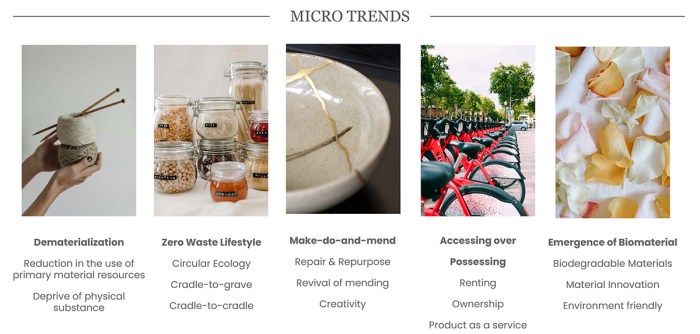
In 2025, we’ll see a tangible shift in the products and services available, all reflecting a greater emphasis on environmental responsibility. Packaging will be a key area of transformation, with a significant move away from single-use plastics towards biodegradable, compostable, or reusable alternatives. Expect to see more products made from recycled materials, such as clothing crafted from recycled plastic bottles or furniture made from reclaimed wood. Services like car-sharing and bike-sharing will become more integrated into urban infrastructure, reducing the need for private vehicle ownership. Even our food choices will be influenced, with a greater availability of plant-based alternatives and locally sourced produce, minimizing transportation emissions and supporting sustainable agriculture.
Shifts in Consumer Purchasing Behavior
Consumer purchasing behavior in 2025 will be profoundly shaped by a demand for ethical and eco-friendly operations. Brands that transparently demonstrate their commitment to sustainability, from ethical sourcing of raw materials to fair labor practices and reduced carbon footprints, will gain a significant competitive advantage. Consumers will increasingly scrutinize brand narratives, looking for verifiable proof of their environmental claims. This shift will incentivize businesses to invest in sustainable innovation and circular economy models, where products are designed for longevity, repair, and eventual recycling, rather than for obsolescence. Loyalty will be earned through genuine commitment, not just greenwashing.
Effectiveness of Individual Actions in Contributing to a Sustainable Future
While systemic change is crucial, individual actions play a vital role in building a more sustainable future for 2025. The effectiveness of these actions lies in their cumulative impact and their ability to influence broader societal shifts.
- Reducing Consumption: The most impactful action is often simply consuming less. This means questioning the necessity of purchases and opting for durable, repairable items over disposable ones.
- Waste Management: Diligent recycling, composting organic waste, and minimizing single-use items significantly reduce landfill burden and resource depletion.
- Energy Conservation: Simple acts like turning off lights, unplugging electronics, and opting for energy-efficient appliances can collectively lead to substantial energy savings and reduced greenhouse gas emissions.
- Sustainable Transportation: Choosing walking, cycling, public transport, or carpooling over solo car journeys drastically cuts down on carbon emissions.
- Dietary Choices: Shifting towards a more plant-based diet can significantly reduce one’s environmental footprint, as meat production is resource-intensive.
- Supporting Sustainable Brands: Every purchase made from a company with strong environmental ethics sends a clear message and encourages further sustainable business practices.
Practical Steps to Reduce Environmental Footprint
Here are practical steps individuals can take to reduce their environmental footprint in their daily routines:
- Carry a reusable water bottle and coffee cup: Eliminate the need for single-use plastic bottles and disposable cups.
- Bring reusable shopping bags: Say no to plastic bags at grocery stores and other retail outlets.
- Plan meals to minimize food waste: Utilize leftovers creatively and buy only what you need.
- Opt for public transportation, cycling, or walking whenever possible: Reduce reliance on personal vehicles.
- Unplug electronics when not in use: Combat “phantom load” and save energy.
- Choose eco-friendly cleaning products: Minimize the release of harmful chemicals into the environment.
- Repair rather than replace: Extend the lifespan of clothing, electronics, and household items.
- Educate yourself and others: Share knowledge about sustainable practices and inspire those around you.
- Support local businesses and farmers’ markets: Reduce transportation emissions and support sustainable agriculture.
- Reduce meat consumption: Incorporate more plant-based meals into your weekly diet.
The Future of Work and Flexible Lifestyles
The traditional nine-to-five office model is rapidly evolving, and 2025 promises to be a pivotal year in solidifying new paradigms for work and life. We’re entering an era where flexibility isn’t just a perk but a fundamental aspect of how we structure our professional lives, allowing for greater autonomy and a more integrated approach to personal and professional pursuits. This shift is driven by technological advancements and a growing understanding of what truly fosters productivity and well-being.
Predominant Models of Work
In 2025, the predominant models of work will be characterized by their diversity and adaptability. Remote work, where employees operate entirely from outside a traditional office, will continue to be a significant force, offering unparalleled flexibility. Hybrid models, blending in-office and remote work, will become even more sophisticated, with companies designing intentional strategies to maximize the benefits of both physical and virtual collaboration. Flexible work arrangements, which might include compressed workweeks, flextime (choosing start and end times), or job sharing, will also gain prominence, catering to a wider range of individual needs and preferences. The focus will be on output and results, rather than simply hours spent at a desk.
Redefining Work-Life Integration
The concept of “work-life balance” is giving way to “work-life integration,” where professional responsibilities and personal pursuits are seen as complementary rather than competing forces. In 2025, individuals will have more agency to weave their work into the fabric of their lives, rather than trying to compartmentalize them. This could mean attending a child’s school event during the workday and making up the time later, or dedicating time for personal development or hobbies during hours traditionally considered “work time.” The goal is to create a harmonious flow that allows for both professional success and personal fulfillment, reducing the stress often associated with rigid schedules.
Technologies and Strategies for Flexibility and Autonomy
A suite of technologies and strategies will underpin this increased flexibility and autonomy. Advanced collaboration platforms, including robust video conferencing tools, shared document editing, and project management software, will ensure seamless communication and teamwork, regardless of location. Cloud-based infrastructure will provide ubiquitous access to work resources, allowing employees to connect from anywhere. Virtual private networks (VPNs) and enhanced cybersecurity measures will be essential for maintaining data security in distributed work environments. Beyond technology, companies will implement clear communication protocols, establish trust-based performance metrics, and foster a culture that values autonomy and self-direction, empowering employees to manage their time effectively.
Impact on Personal Time Management and Community Engagement
These evolving work structures will have a profound impact on personal time management and community engagement. With greater flexibility, individuals will have more control over their schedules, potentially allowing for more dedicated time for family, hobbies, and personal well-being. This could lead to a resurgence in local community involvement, as people have more time to volunteer, participate in local events, or simply connect with their neighbors. The ability to work from anywhere might also foster a greater sense of global community, connecting individuals with like-minded people across different geographical boundaries. However, it will also require conscious effort to maintain strong connections and avoid social isolation.
Hypothetical Weekly Schedule in a Flexible Work Environment
Here’s a hypothetical weekly schedule that balances professional responsibilities with personal pursuits in a flexible work environment:
| Time | Monday | Tuesday | Wednesday | Thursday | Friday |
|---|---|---|---|---|---|
| 7:00 AM – 8:00 AM | Wake up, Hydrate, Light Exercise | Wake up, Hydrate, Meditation | Wake up, Hydrate, Light Exercise | Wake up, Hydrate, Meditation | Wake up, Hydrate, Light Exercise |
| 8:00 AM – 9:00 AM | Breakfast, Plan Day | Breakfast, Plan Day | Breakfast, Plan Day | Breakfast, Plan Day | Breakfast, Plan Day |
| 9:00 AM – 12:00 PM | Deep Work Block (Project A) | Team Meeting, Collaboration (Project B) | Deep Work Block (Project A) | Client Call, Follow-ups | Flexible Work (Personal Project/Admin) |
| 12:00 PM – 1:00 PM | Lunch & Walk | Lunch & Reading | Lunch & Family Time | Lunch & Networking Event | Lunch & Social Meetup |
| 1:00 PM – 4:00 PM | Meetings, Email Management | Creative Work (Project B) | Focused Task Completion | Strategy Session, Planning | Wrap-up, Weekly Review |
| 4:00 PM – 6:00 PM | Personal Development/Hobby | Fitness Class | Community Engagement/Volunteer | Personal Errands | Social Activity |
| 6:00 PM – 8:00 PM | Family Time/Dinner | Family Time/Dinner | Family Time/Dinner | Family Time/Dinner | Family Time/Dinner |
| 8:00 PM onwards | Relaxation, Reading | Learning/Online Course | Social Call/Connect with Friends | Hobby/Creative Pursuits | Free Evening |
Social Connection and Community Engagement in a Shifting World
As our world continues to evolve at an unprecedented pace, the fundamental human need for social connection and community engagement remains a constant, yet its forms are transforming. In 2025, we’ll see a dynamic interplay between digital and physical spaces, both contributing to the cultivation of meaningful relationships and a strong sense of belonging. This era calls for intentionality in how we build and maintain our social circles, ensuring that amidst technological advancements, genuine human connection thrives.
Evolving Forms of Social Interaction and Community Building
The ways we interact and build communities in 2025 will be a sophisticated blend of the familiar and the innovative. Digital platforms will offer richer, more immersive experiences, moving beyond simple text-based communication to include enhanced virtual reality social spaces and collaborative online environments. Simultaneously, there will be a renewed appreciation for authentic, in-person interactions. We’ll likely see a rise in curated in-person gatherings, pop-up community events, and shared interest groups that prioritize deep connection over casual acquaintance. The focus will be on quality over quantity, fostering environments where vulnerability and authenticity are encouraged.
Role of Digital and Physical Spaces in Fostering Connections
Both digital and physical spaces will play crucial, yet distinct, roles in fostering meaningful connections. Digital spaces will excel at bridging geographical divides, allowing us to maintain relationships with loved ones across distances and connect with global communities based on shared interests. They will also serve as powerful tools for organizing and facilitating in-person events. Physical spaces, on the other hand, will become even more valuable for their ability to foster deep, embodied connections. Think of revitalized community centers, co-working spaces with strong social components, or even intentional “third places” like cafes or parks designed to encourage serendipitous encounters and genuine interaction.
Innovative Approaches to Maintaining Relationships and Participating in Communities
Innovative approaches will emerge to help individuals maintain relationships and participate in their communities. Gamified social platforms might encourage regular check-ins with friends and family, while AI-powered relationship management tools could offer gentle reminders to reach out or suggest personalized activities based on shared interests. In physical communities, we might see the rise of neighborhood “skill-sharing” networks, where individuals offer their expertise in exchange for learning new skills from others. Community-led initiatives focused on local environmental projects or social causes will also gain traction, providing a shared purpose and a sense of collective impact.
Anticipated Social Dynamics of 2025 vs. Current Trends
The anticipated social dynamics of 2025 will likely build upon current trends, but with a greater emphasis on intentionality and authenticity. While we currently navigate a landscape often characterized by superficial online interactions and a sense of digital overwhelm, 2025 may see a more conscious curation of our social lives. There will be a greater awareness of the impact of social media on mental well-being, leading to more mindful usage and a prioritization of genuine connections. The desire for belonging will drive people to seek out both online and offline communities that align with their values and offer a sense of true camaraderie, moving beyond passive consumption of social content to active participation.
Framework for Cultivating Stronger Social Bonds and a Sense of Belonging
Here’s a framework for individuals to cultivate stronger social bonds and a sense of belonging:
- Be Present and Engaged: When interacting with others, whether online or in person, make a conscious effort to be fully present. Listen actively, ask thoughtful questions, and show genuine interest.
- Prioritize Quality over Quantity: Focus on nurturing a few deep, meaningful relationships rather than spreading yourself too thin across many superficial connections.
- Embrace Vulnerability: Sharing your authentic self, including your thoughts, feelings, and experiences, fosters trust and intimacy.
- Offer Support and Kindness: Be a reliable source of support for your friends and family. Small acts of kindness can have a significant impact on strengthening bonds.
- Participate Actively in Communities: Join groups or organizations that align with your interests and values, and contribute your time and energy.
- Initiate Connections: Don’t wait for others to reach out. Take the initiative to organize gatherings, suggest activities, or simply send a message to check in.
- Practice Gratitude: Regularly express appreciation for the people in your life. Recognizing and acknowledging the positive contributions of others strengthens relationships.
- Be Open to New Experiences: Step outside your comfort zone and engage in new activities or meet new people. This expands your social circle and enriches your life.
- Set Healthy Boundaries: While being open and engaged, it’s also important to set healthy boundaries to protect your well-being and ensure sustainable relationships.
- Celebrate Others’ Successes: Genuine happiness for the achievements of others fosters a positive and supportive social environment.
As lifestyle trends shape our everyday living in 2025, embracing healthy living daily habits becomes paramount. These conscious choices empower us to thrive, proving that well-being is a cornerstone of modern life and a key driver for the lifestyle trends shaping everyday living in 2025.