
 Jamie Lopez
Understanding the Core Concept: Learning Lifestyle Trends for Lifelong Growth
Embracing a learning lifestyle is more than just acquiring new knowledge; it’s about cultivating a mindset and integrating continuous learning into the very fabric of our lives. This approach fosters personal evolution and adaptability in a world that’s constantly changing. At its heart, a learning lifestyle is a commitment to curiosity and growth, recognizing that development is not a destination but an ongoing journey.
The fundamental principles of a learning lifestyle revolve around intentionality and curiosity. It’s about actively seeking out new information, skills, and perspectives, not just when required for a specific task, but as a regular practice. This interconnectedness between learning, our daily habits, and personal development means that every experience can become a learning opportunity. Lifelong growth, in a modern context, extends beyond professional advancement. It encompasses emotional intelligence, creativity, critical thinking, and the ability to navigate complex social landscapes. The primary motivations for adopting such a lifestyle are diverse, often stemming from a desire for self-improvement, career progression, a deeper understanding of the world, or simply the joy of discovery.
The Fundamentals of a Learning Lifestyle
The core of a learning lifestyle is built on the belief that personal and professional development is a continuous, integrated process. It’s about making learning an intrinsic part of your daily existence, not an isolated activity. This involves actively engaging with new information, challenging your own assumptions, and consistently seeking to expand your understanding and capabilities. The interconnectedness of learning, lifestyle, and continuous personal development is profound. When learning becomes a habit, it naturally influences how you live, how you approach challenges, and how you interact with others. This synergy fuels a cycle of growth, where each learned skill or insight opens doors to new possibilities and further learning.
Lifelong growth in today’s world is a multifaceted concept. It’s not solely about climbing the corporate ladder, but also about cultivating wisdom, emotional resilience, creativity, and a profound understanding of oneself and the world. It’s about staying relevant, adaptable, and fulfilled. The primary motivations behind embracing a learning lifestyle are deeply personal, ranging from a yearning for self-actualization and intellectual stimulation to the pragmatic need to remain competitive in a rapidly evolving job market. Many are driven by a fundamental desire to understand more, to contribute more effectively, and to live a richer, more meaningful life.
Emerging Trends Shaping the Learning Lifestyle, Learning Lifestyle Trends for Lifelong Growth
The landscape of learning is continuously reshaped by innovation, making it more accessible and engaging than ever before. Digital platforms have revolutionized access to information, democratizing education and placing vast libraries of knowledge at our fingertips. This has paved the way for flexible and personalized learning experiences. The rise of microlearning, breaking down complex topics into bite-sized, digestible modules, perfectly complements the fast-paced nature of modern life, allowing for learning to be integrated seamlessly into busy schedules.
Comparing traditional and informal learning methods reveals a shift towards more experiential and self-directed approaches. While formal education provides structure, informal learning, often driven by curiosity and practical needs, is becoming increasingly vital. This includes everything from watching educational videos to engaging in online communities. Innovative methodologies like gamification, project-based learning, and immersive experiences are also gaining traction, making the learning process more interactive and effective. These trends collectively empower individuals to curate their own learning journeys, adapting to their unique needs and preferences.
Here’s a look at popular learning modalities:
| Modality | Description | Key Features | Target Audience |
|---|---|---|---|
| Online Courses | Structured digital education delivered through platforms like Coursera, edX, or Udemy. | Flexibility, self-paced learning, often with certification upon completion, diverse subject matter. | Professionals seeking to upskill or reskill, students supplementing formal education, lifelong learners exploring new interests. |
| Podcasts | Audio-based content covering a vast array of topics, from industry insights to historical narratives. | On-the-go learning, easily digestible during commutes or multitasking, diverse perspectives and expert interviews. | Commuters, multitaskers, individuals who prefer auditory learning, those seeking to stay updated on specific fields. |
| Workshops | Interactive, hands-on sessions focused on developing specific practical skills or knowledge. | Practical application of learned concepts, direct interaction with instructors and peers, networking opportunities. | Individuals seeking to acquire or refine specific job-related skills, hobbyists, those who learn best through doing. |
| Mentorship Programs | Structured guidance and support from an experienced individual in a particular field. | Personalized advice, career development insights, networking within an industry, learning from real-world experience. | Early-career professionals, students seeking career direction, individuals looking for guidance in specific areas of growth. |
Personalization and Adaptability in Learning
The modern learning lifestyle thrives on personalization and adaptability. It’s about recognizing that one size does not fit all when it comes to acquiring knowledge and skills. Individuals can tailor their learning paths by identifying specific goals, whether they are career-oriented, personal development focused, or driven by pure curiosity. Understanding your personal strengths and weaknesses is key to adapting learning approaches. For instance, if you learn best visually, you might lean towards video tutorials and infographics, while a kinesthetic learner might prefer hands-on projects.
Integrating learning into daily routines without disruption is an art. It involves making conscious choices about how you spend your time, leveraging commute time for podcasts, lunch breaks for reading articles, or evenings for online modules. The role of curiosity and intrinsic motivation cannot be overstated; when learning is driven by genuine interest, it becomes sustainable and deeply rewarding. This internal drive fuels persistence and makes the learning process enjoyable rather than a chore.
Here’s a sample weekly schedule demonstrating the integration of diverse learning activities:
- Monday: Begin the week with a morning podcast discussing the latest industry trends, followed by an evening online module focused on mastering a new software tool.
- Tuesday: Utilize your lunch break for an insightful read of a relevant industry article, and participate in an afternoon virtual book club discussion.
- Wednesday: Attend a mid-week workshop on enhancing public speaking skills, and dedicate an evening session to practicing a new language with a dedicated app.
- Thursday: Engage with an online lecture exploring a fascinating historical topic, and conclude the day with a thought-provoking documentary.
- Friday: Participate in a peer-to-peer skill-sharing session with colleagues, and plan for weekend project-based learning to apply new concepts.
- Saturday/Sunday: Dedicate ample time to a personal interest, diving deep into research and engaging in practical application to solidify understanding.
Technology’s Role in Fostering a Learning Lifestyle
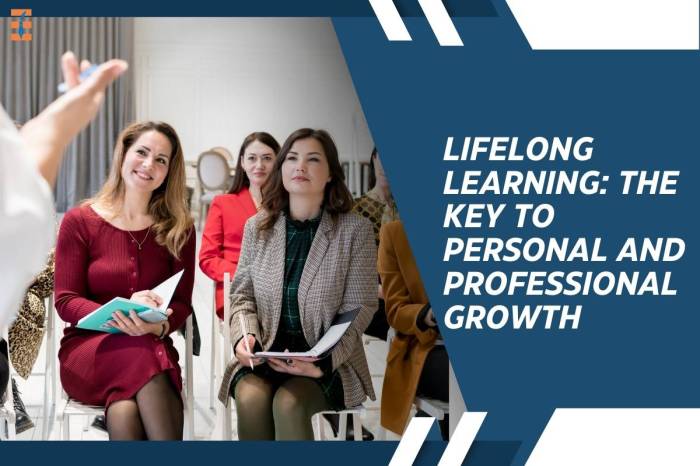
Technology has become an indispensable ally in cultivating a learning lifestyle, offering unprecedented tools and opportunities for growth. Artificial intelligence, in particular, is transforming educational experiences by personalizing content and delivery. AI algorithms can analyze learning patterns, identify areas of difficulty, and recommend resources tailored to individual needs, making learning more efficient and effective.
Immersive learning technologies like virtual reality (VR) and augmented reality (AR) are creating dynamic and engaging learning environments. Imagine exploring ancient Rome through VR or dissecting a virtual frog in AR – these technologies offer experiences that were once impossible, enhancing comprehension and retention. Learning Management Systems (LMS) are also invaluable for organizing personal development efforts. They provide a centralized platform to track progress, manage courses, and store learning materials, ensuring a structured approach to continuous learning. The future potential of wearable technology for continuous learning is immense, with devices capable of providing real-time feedback, nudges, and even physiological data that can inform learning strategies.
The benefits of AI in learning are substantial:
| AI Application | Benefit | Impact on Learner | Example Scenario |
|---|---|---|---|
| Personalized Recommendations | Tailored content suggestions based on user behavior and preferences. | Increased engagement, more efficient use of learning time, discovery of relevant resources. | An AI platform suggesting articles, videos, or courses related to a user’s recent search history or viewed content. |
| Adaptive Learning Paths | Adjusting the difficulty and pace of learning materials in real-time based on performance. | Optimized learning progress, reduced frustration from overly difficult or overly simple content, better retention. | A math learning app that presents harder problems after a user consistently answers easier ones correctly, or offers remedial exercises if they struggle. |
| Automated Feedback | Instant assessment of performance on tasks, quizzes, or assignments. | Faster skill improvement, immediate identification of knowledge gaps, reinforcement of correct methods. | A coding platform that provides immediate feedback on syntax errors or logical flaws in a student’s code. |
| Virtual Tutors | On-demand support, explanations, and guidance from AI-powered assistants. | Enhanced understanding of complex topics, increased confidence through readily available help, 24/7 learning support. | A student asking a virtual tutor to explain a complex scientific theory or a historical event in simpler terms. |
Cultivating a Growth Mindset for Continuous Learning
A growth mindset is the bedrock of a thriving learning lifestyle. It’s the belief that our abilities and intelligence can be developed through dedication, hard work, and learning from challenges. Cultivating resilience means viewing setbacks not as failures, but as temporary detours and opportunities to learn and adjust. Embracing mistakes is crucial; they are not indicators of inadequacy but invaluable feedback mechanisms that highlight areas for improvement.
Actively seeking out new experiences that push you beyond your comfort zone is a powerful way to promote growth. This could involve taking on a challenging project, learning a new hobby, or engaging in discussions with people who hold different viewpoints. Overcoming procrastination in learning endeavors often involves breaking down tasks into smaller, manageable steps, setting realistic deadlines, and rewarding progress. The key is to foster an internal environment that supports learning and self-development.
Here are affirmations to nurture a growth mindset:
“I embrace challenges as opportunities to learn and grow.”
“My abilities can be developed through dedication and hard work.”
“I learn from my mistakes and use them as stepping stones.”
“Feedback is a gift that helps me improve.”
“I am capable of achieving my learning goals.”
The Social Dimension of a Learning Lifestyle
Learning is rarely a solitary endeavor, and the social dimension plays a vital role in fostering a robust learning lifestyle. Collaborative learning and peer-to-peer knowledge sharing offer diverse perspectives and accelerate understanding. Engaging with others who share similar learning goals can create a supportive ecosystem where individuals motivate and hold each other accountable.
Building a supportive learning community can involve actively participating in online forums, joining study groups, or attending workshops. These connections provide not only intellectual stimulation but also emotional support. Networking, both online and offline, is a powerful mechanism for continuous growth. By building relationships with experts, peers, and mentors, individuals gain access to new opportunities, insights, and potential collaborations that can significantly contribute to their professional and personal development.
The advantages of social learning are numerous:
| Aspect | Benefit | Mechanism | Outcome |
|---|---|---|---|
| Peer Interaction | Exposure to diverse perspectives and approaches to problem-solving. | Active participation in discussions, debates, and collaborative group projects. | Deeper understanding of complex topics, enhanced critical thinking skills, and a broader outlook. |
| Knowledge Exchange | Access to a wider range of expertise and practical experience from individuals with varied backgrounds. | Sharing of insights, asking and answering questions in Q&A sessions, and collective brainstorming. | A broader and more nuanced knowledge base, improved problem-solving capabilities, and the discovery of new ideas. |
| Motivation & Accountability | Mutual encouragement and commitment to shared learning objectives. | Formation of study groups, setting shared goals, and regular check-ins on progress. | Increased persistence in learning, higher rates of task completion, and a sense of shared accomplishment. |
| Networking Opportunities | Building valuable connections with individuals who can offer support, advice, or future collaborations. | Attending professional events, engaging in online communities, and participating in industry meetups. | Facilitation of career advancement, discovery of new professional opportunities, and the initiation of innovative collaborations. |
Practical Application and Skill Development
Translating acquired knowledge into tangible skills is the ultimate goal of a learning lifestyle. Identifying skills that are in demand and align with personal aspirations is the first step. This involves researching industry trends, understanding future job market needs, and reflecting on your own interests and long-term goals. Effective techniques for practicing and mastering new skills include consistent repetition, seeking out real-world applications, and breaking down complex skills into smaller, manageable components.
Setting SMART learning objectives is a powerful framework for structured skill development. These objectives should be Specific, Measurable, Achievable, Relevant, and Time-bound, providing a clear roadmap for progress. Documenting and showcasing acquired skills and knowledge, through portfolios, certifications, or project demonstrations, is crucial for demonstrating competence to potential employers or collaborators. This tangible evidence of your learning journey validates your efforts and opens doors to new opportunities.
Here’s a project-based learning plan for acquiring a new digital skill:
- Phase 1: Conduct thorough research to understand the fundamental concepts and principles of the chosen digital skill (e.g., basic coding principles for web development).
- Phase 2: Complete introductory online tutorials, interactive exercises, and beginner-level courses to build a foundational understanding.
- Phase 3: Develop a small, practical project that directly applies the learned concepts (e.g., creating a simple personal website using HTML and CSS).
- Phase 4: Actively seek feedback on the project from peers, mentors, or online communities, and use this input to iterate and improve the work.
- Phase 5: Document the completed project, detailing the process, challenges overcome, and key learnings for inclusion in a professional portfolio.
Embracing learning lifestyle trends for lifelong growth opens doors to continuous personal evolution. Discovering new perspectives, especially through Lifestyle Trends That Promote Kindness and Connection , enriches our journey. These insights empower us to cultivate a more fulfilling existence, reinforcing the power of ongoing learning for sustained development.
Embracing learning lifestyle trends fuels our lifelong growth, equipping us with invaluable tools. A key component of this journey is cultivating emotional resilience , enabling us to navigate challenges with grace and strength, thereby continuing our path of continuous learning and development.